
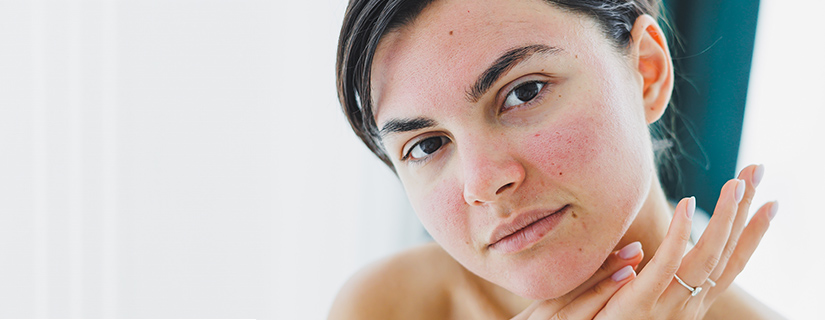
Rosacea is a chronic inflammatory and vascular condition, which means it’s highly influenced by the environment and often shows up through rosacea symptoms like persistent redness, flushing, and visible blood vessels. For rosacea in the Pacific Northwest, common triggers include cold, dry air, indoor heating, UV exposure (yes, even on cloudy days), and sudden temperature changes. Over time, these factors can weaken the skin’s protective barrier, making redness more noticeable and skin more reactive. That’s why thoughtful skin care and daily habits that protect your skin play such an important role in managing rosacea long-term.
At Beam Aesthetics, rosacea care always starts with evaluation. We assess skin barrier function, help reset irritated skin, and recommend treatments and products in real time based on what your skin actually needs.
Winter Rosacea Flare-Ups & the Skin Barrier Connection
One of the biggest patterns we see in practice is rosacea worsening during the winter months. Cold weather and low humidity often leads to dry skin, and when the skin barrier isn’t functioning at its best, these conditions can aggravate rosacea, making redness and irritation more noticeable.
Indoor heaters and fireplaces can further dry the air, evaporating moisture and compromising the skin barrier even more. When the barrier is compromised, the skin struggles to retain moisture and protect itself from environmental stressors.
That’s why barrier repair plays such a central role in how we approach rosacea treatment during winter. In addition to skincare, we often suggest simple environmental adjustments, like using a humidifier or adding moisture back into the air, to help support healthier, more resilient skin.
Rosacea Through the Other Seasons
While winter tends to be the most challenging season for rosacea, flare-ups can happen year-round. Understanding these seasonal shifts helps us stay proactive rather than reactive.
Spring: Transition & Sensitivity
Spring often brings fluctuating temperatures, wind, and allergens, all of which can increase skin sensitivity. This is a common time for mild flare-ups as skin adjusts from winter dryness.
What we focus on in spring: gentle exfoliation (when appropriate), increased hydration, antioxidant support such as Vitamin C, and easing skin back into consistent sun protection.
Summer: Heat, Sun & Flushing
Heat, sun exposure, sweating, and increased outdoor activity can trigger flushing and redness.
What we emphasize in summer: daily mineral sunscreen, antioxidant protection, lightweight barrier support, and avoiding overheating. Treatments are selected carefully to avoid over-stimulating already warm, reactive skin.
Fall: Recovery & Preparation
Fall is often a reset season for rosacea-prone skin. After summer sun exposure, the skin may feel inflamed or depleted, but it’s also a great time to rebuild the barrier ahead of winter.
What we recommend in fall: focused hydration, barrier repair, and planning ahead for winter flare prevention.
In-Office Treatments That Support Rosacea
Rosacea responds best to gentle, intentional treatments that calm redness while supporting skin health.
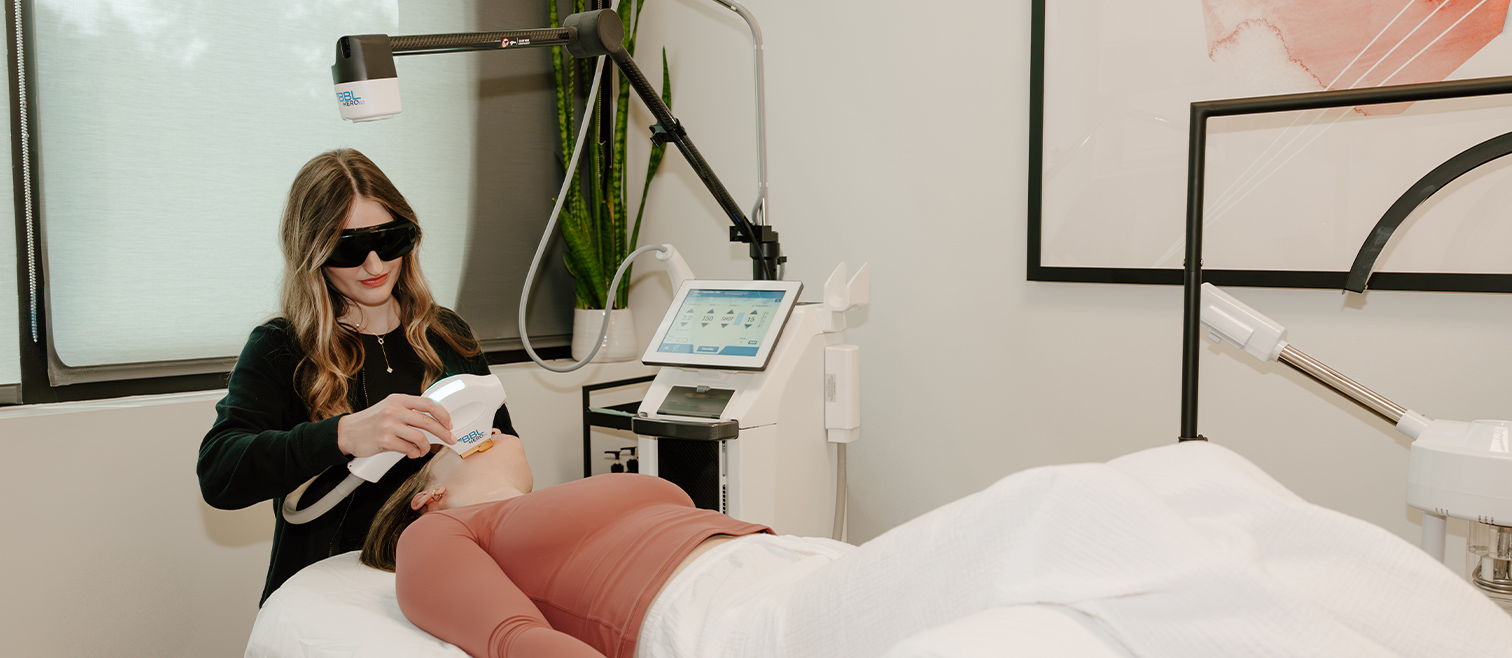
BBL® Photofacial
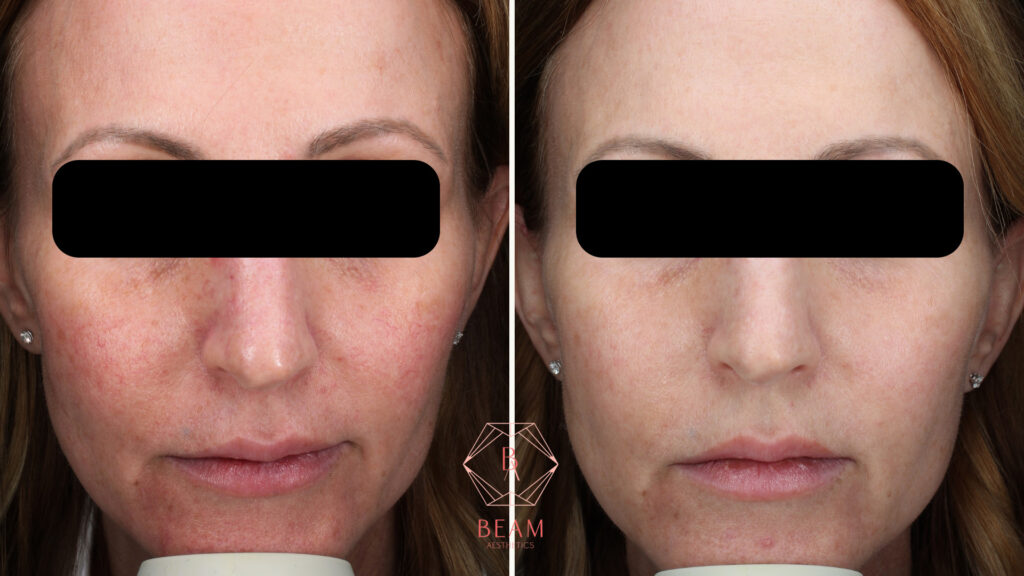
BBL is one of our go-to treatments for rosacea-related redness and flushing. It targets the vascular component of rosacea, helping reduce visible redness and even out skin tone over time.
Before and After Results: 3 BBL Photofacial Sessions for Rosacea
Customized Facials
Our facials are always tailored for sensitive skin, focusing on hydration, calming inflammation, and strengthening the skin barrier without over-stimulation.
Skincare That Makes a Difference
In-office treatments work best when paired with the right at-home routine. For rosacea, consistency, hydration, and barrier support are key.
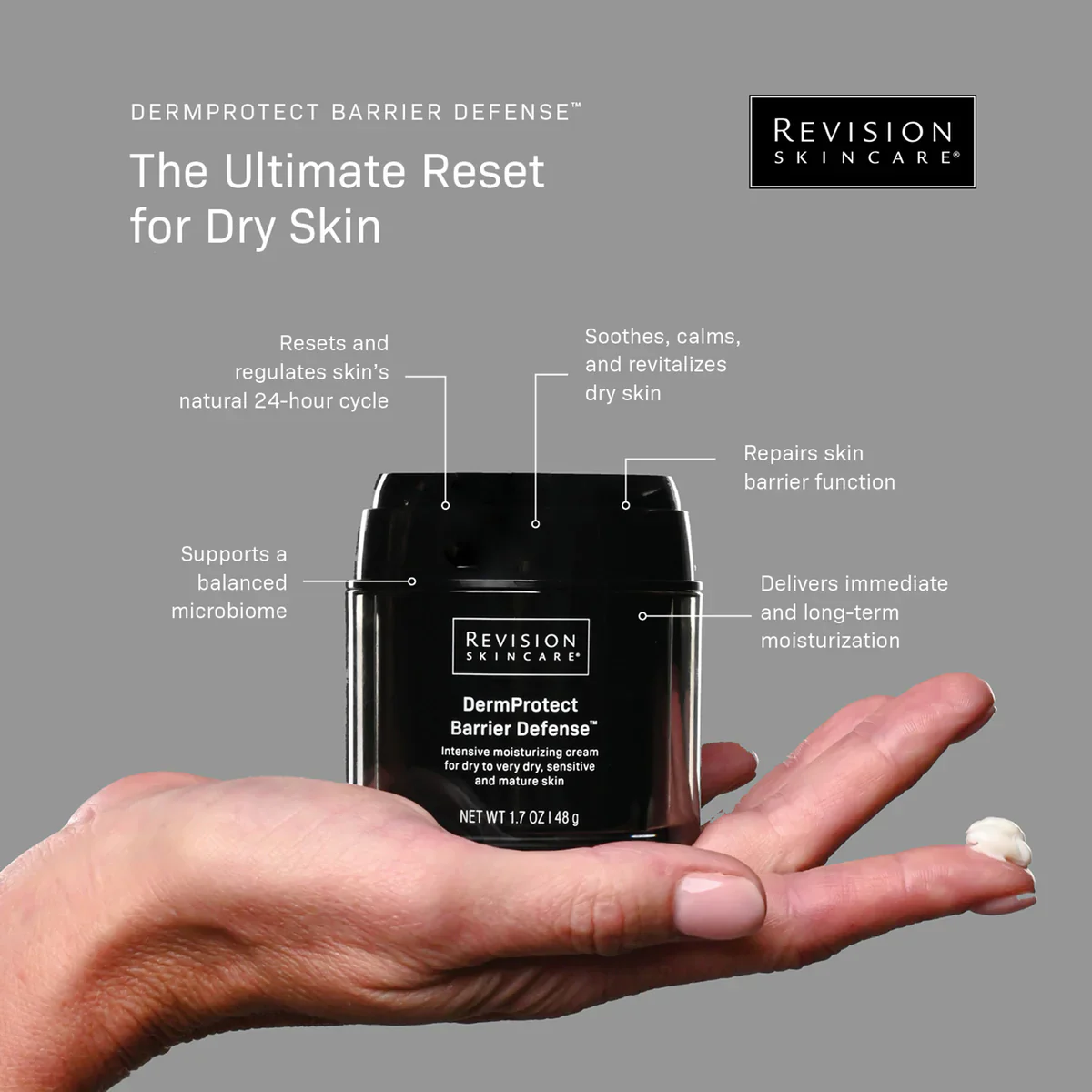
DermProtect™ Barrier Defense
One product we frequently recommend is DermProtect™ Barrier Defense by Revision Skincare. It’s designed specifically for dry, irritated, and compromised skin, making it an excellent option for rosacea-prone clients, especially in winter.
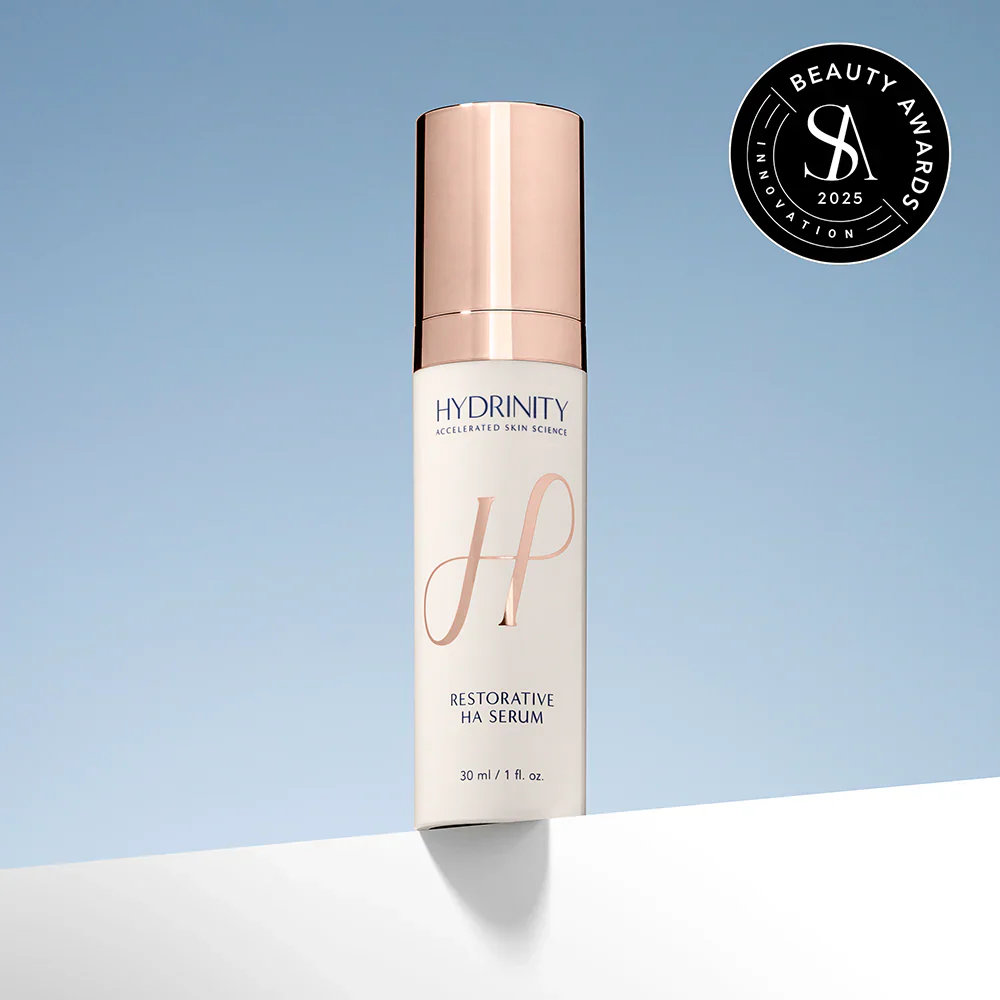
Restorative HA by Hydrinity
For additional hydration and water retention, we also recommend Restorative HA by Hydrinity. This helps attract and retain moisture while reducing transepidermal water loss (TEWL), which is a key contributor to rosacea flare-ups.
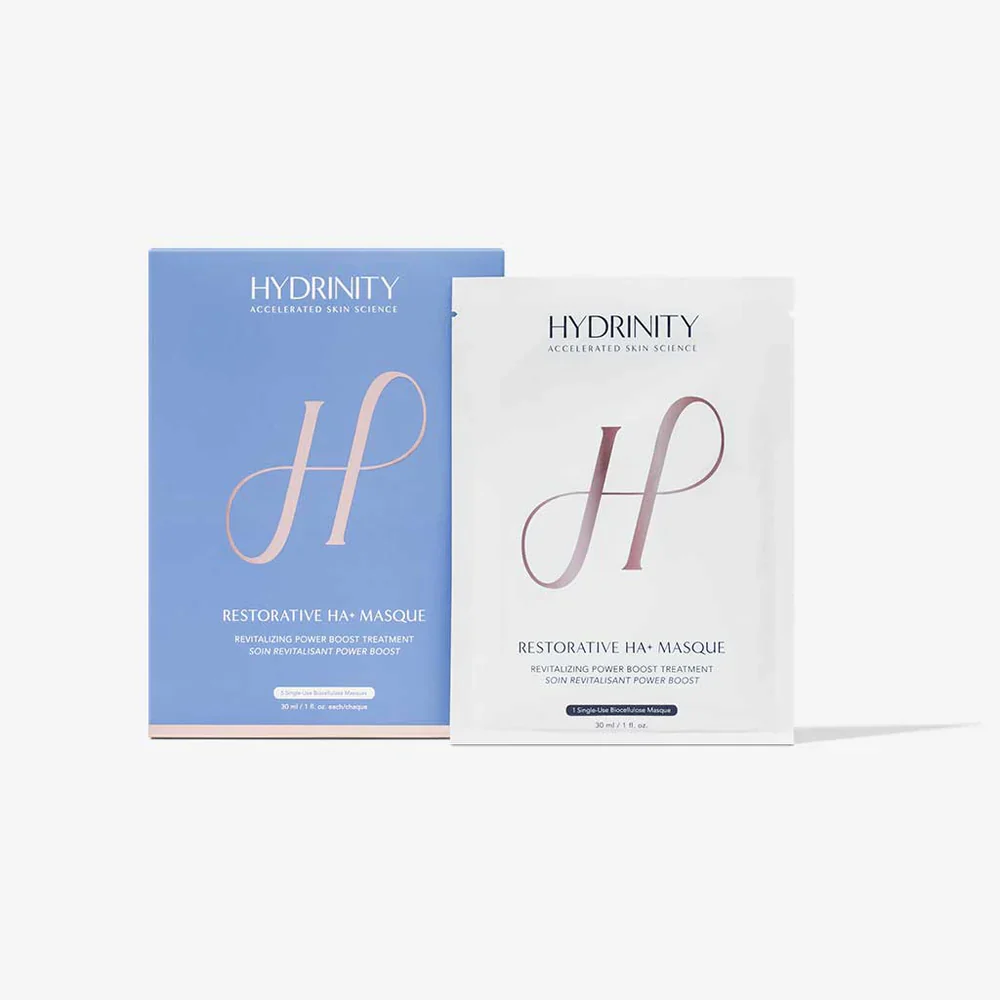
Hydrinity’s HA Sheet Masks
Hydrinity’s HA sheet masks are another great option for at-home hydration therapy. They help calm, soothe, and lower the skin’s temperature, making them beneficial for rosacea-prone skin year-round, including summer.
Barrier repair moisturizer and hydration therapy help:
- Calm redness and irritation
- Improve moisture retention
- Support healing after treatments like BBL
- Protect against environmental triggers
Sun Protection That Calms Redness (Not Triggers It)
Sun exposure is one of the most common rosacea triggers, even here in the Pacific Northwest, where cloudy days can be deceiving. UV exposure can worsen redness, increase flushing, and undo progress from treatments like BBL. For rosacea-prone skin, we always recommend mineral-based sunscreens that protect the skin while also calming inflammation.
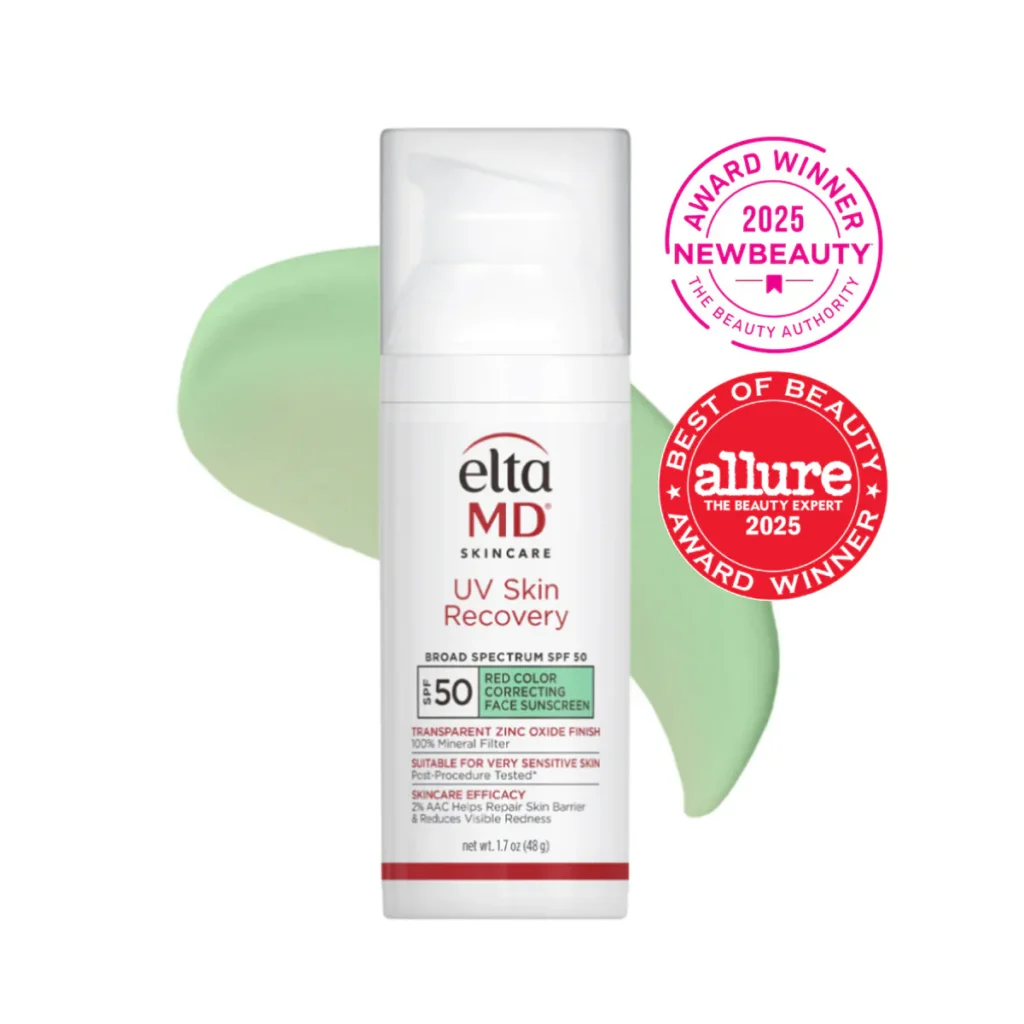
EltaMD UV Skin Recovery Broad-Spectrum SPF 50
One of our go-to options is EltaMD UV Skin Recovery Broad-Spectrum SPF 50. It’s specifically designed for red, sensitive, and post-procedure skin.
Why it works well for rosacea:
- Broad-spectrum SPF 50 protection
- Mineral-based formula ideal for sensitive skin
- Green tint helps visually neutralize redness
- Supports barrier recovery rather than irritating it
Daily sun protection is essential year-round, even on overcast Oregon days.