

Our Blog

Acne Awareness Month: From Active Acne to Acne Scars; Building a Treatment Plan for Long-Term Skin Health

Date Posted

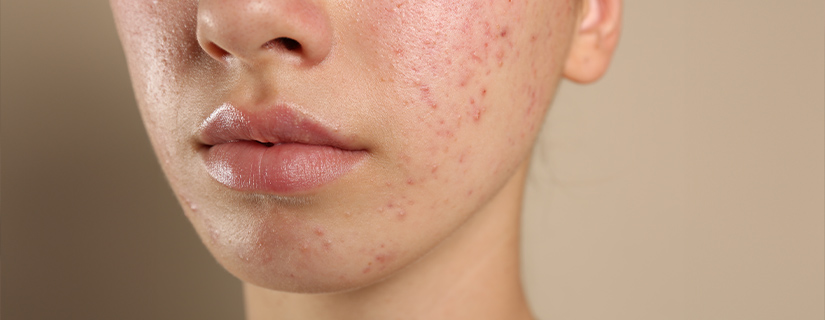
For many people, acne feels like a never-ending cycle. A breakout finally starts to heal, only to leave behind redness, dark marks, uneven texture, or acne scars. Even when the acne itself improves, the skin often doesn’t immediately return to looking or feeling healthy. That’s because acne isn’t just a breakout; it’s a process. From active inflammation to lingering pigmentation and textural changes, acne can affect the skin long after a blemish disappears. Understanding where you are in that journey is often the key to choosing the right treatment approach. This Acne Awareness Month, we’re taking a closer look at how acne develops, why it affects everyone differently, and how personalized treatment plans can help support healthier skin at every stage.

What Is Acne?

Acne vulgaris is one of the most common skin conditions in the United States, affecting more than 50 million Americans each year. While it’s often associated with teenagers, acne frequently continues into adulthood and can affect people of all ages. At its most basic level, acne develops when hair follicles become clogged with excess oil, dead skin cells, and debris. As these plugged hair follicles become inflamed, they can develop into blackheads, whiteheads, pustules, cysts, and other acne breakouts.

50M+

More than 50 million Americans experience acne each year — and no two cases look exactly alike.

But acne is rarely caused by a single factor. Hormonal changes, genetics, stress, oil production, certain skincare products, medications, and inflammation can all play a role in acne development. This is why two people with similar-looking acne may need completely different treatment plans. More importantly, acne doesn’t always end when the breakout heals. The inflammation associated with acne can leave behind redness, skin discoloration, uneven texture, acne scars, and dullness that can persist for months or even years, after active breakouts have improved.

COMMON CONTRIBUTING FACTORS

Why Experience Matters When Treating Acne

Acne can be frustrating because no two cases look exactly alike. That’s why developing an effective treatment plan starts with understanding the skin as a whole, not just treating individual blemishes. From active acne and inflammation to pigmentation, acne scars, and overall skin rejuvenation, the entire Beam team shares a deep understanding of how to build customized treatment plans that evolve alongside your skin.

A Team Built on Expertise + Empathy

Beam founder Olivia Gill brings more than a decade of aesthetic experience to every consultation, including four years working in dermatology before opening Beam Aesthetics. Today, she is also a Sciton trainer, educating providers across the Pacific Northwest on advanced technologies like BBL HEROic and MOXI. That expertise extends beyond Olivia herself; every Beam provider is personally trained by her to ensure patients receive the same thoughtful, results-driven approach to skin health.

Understanding the Full Acne Journey

When most people think about acne treatment, they’re focused on getting rid of pimples. But the reality is that acne often evolves through several different stages:
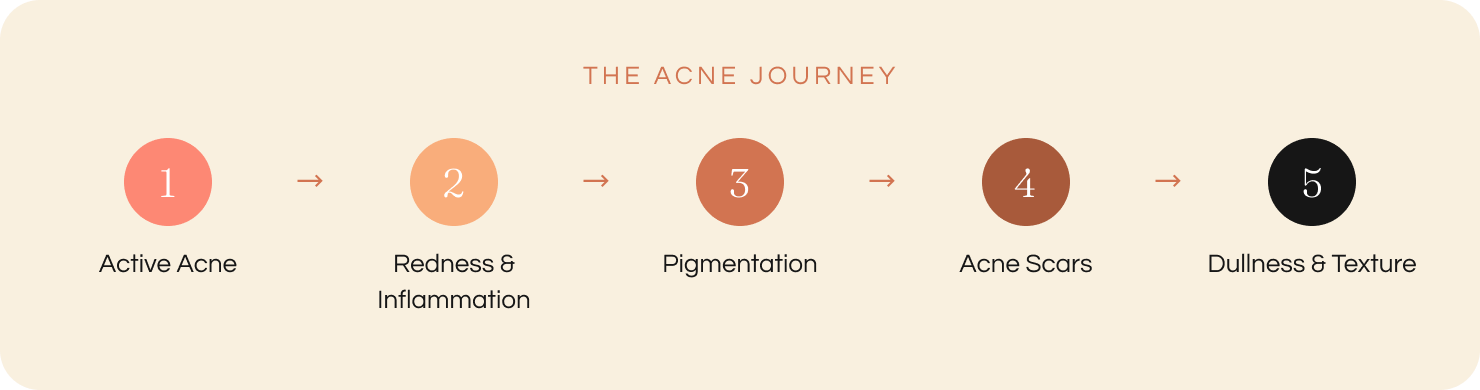
Each stage affects the skin differently and may require a different treatment approach. Some patients come in with active breakouts and ongoing inflammation. Others have already cleared their acne but are frustrated by lingering redness, dark spots, acne scars, or rough texture. The goal isn’t simply to clear a breakout. It’s to improve overall skin health and address the concerns acne leaves behind.

Treating Active Acne and Inflammation

Inflammation, excess oil production, acne-causing bacteria, and recurring acne flare-ups can all contribute to breakouts. Light-based treatments offer an alternative approach to treating active acne. Using specialized acne settings, Forever Clear BBL for Acne can target acne-causing bacteria while helping calm inflammation and reduce visible redness. Because the technology can be customized to the skin’s specific needs, it can support patients dealing with both active breakouts and the inflammation that often accompanies them. One of the reasons patients love this treatment during the summer months is that it requires little to no downtime, making it easier to feel confident going makeup-free while still addressing acne concerns.

When the Breakout Is Gone but the Redness Remains

One of the most frustrating parts of acne is what happens after the blemish heals. Many patients assume they are still breaking out when they are actually seeing the lingering effects of inflammation. Redness can remain visible long after active acne has improved, creating the appearance of ongoing irritation even when fewer blemishes are forming.

This is where treatment plans often begin to shift. Different settings within the BBL HEROic platform can be used to target redness and vascular concerns that remain after active acne has resolved. By helping calm visible inflammation, skin can begin to look clearer and more even over time. This stage is often overlooked, but it’s frequently one of the biggest confidence boosters for patients who feel like their skin is stuck between “breaking out” and “healed.”

Addressing the Pigment Acne Leaves Behind

Not every dark mark left behind after acne is an acne scar. Many patients are actually dealing with post-inflammatory hyperpigmentation, a type of skin discoloration that develops after inflammation has healed. These spots can linger long after breakouts have disappeared and may become more noticeable with repeated acne flare-ups. Pigmentation concerns are especially common after moderate to severe acne and can affect a wide range of skin types. Using different treatment settings than those used for active acne, BBL HEROic can also help target unwanted pigment and uneven skin tone. The result is often a brighter, more balanced complexion as the skin continues to heal. Understanding the difference between pigmentation and true acne scarring is important because each concern responds differently to treatment.

Improving Acne Scars and Uneven Texture

While redness and pigmentation often fade over time, acne scars tend to be more stubborn. Acne scars develop when inflammation damages collagen within the skin. As the skin repairs itself, it may leave behind depressions, uneven texture, enlarged pores, or visible changes in the skin’s surface. Improving these concerns typically requires encouraging the skin to remodel and rebuild healthy collagen. For some patients, BBL HEROic remains part of the treatment plan. Others may benefit from incorporating MOXI, which creates controlled microthermal injuries that stimulate the skin’s natural healing response and support collagen production. The goal isn’t simply to make scars less visible. It’s to improve overall skin texture, strengthen the skin’s foundation, and support long-term skin health.
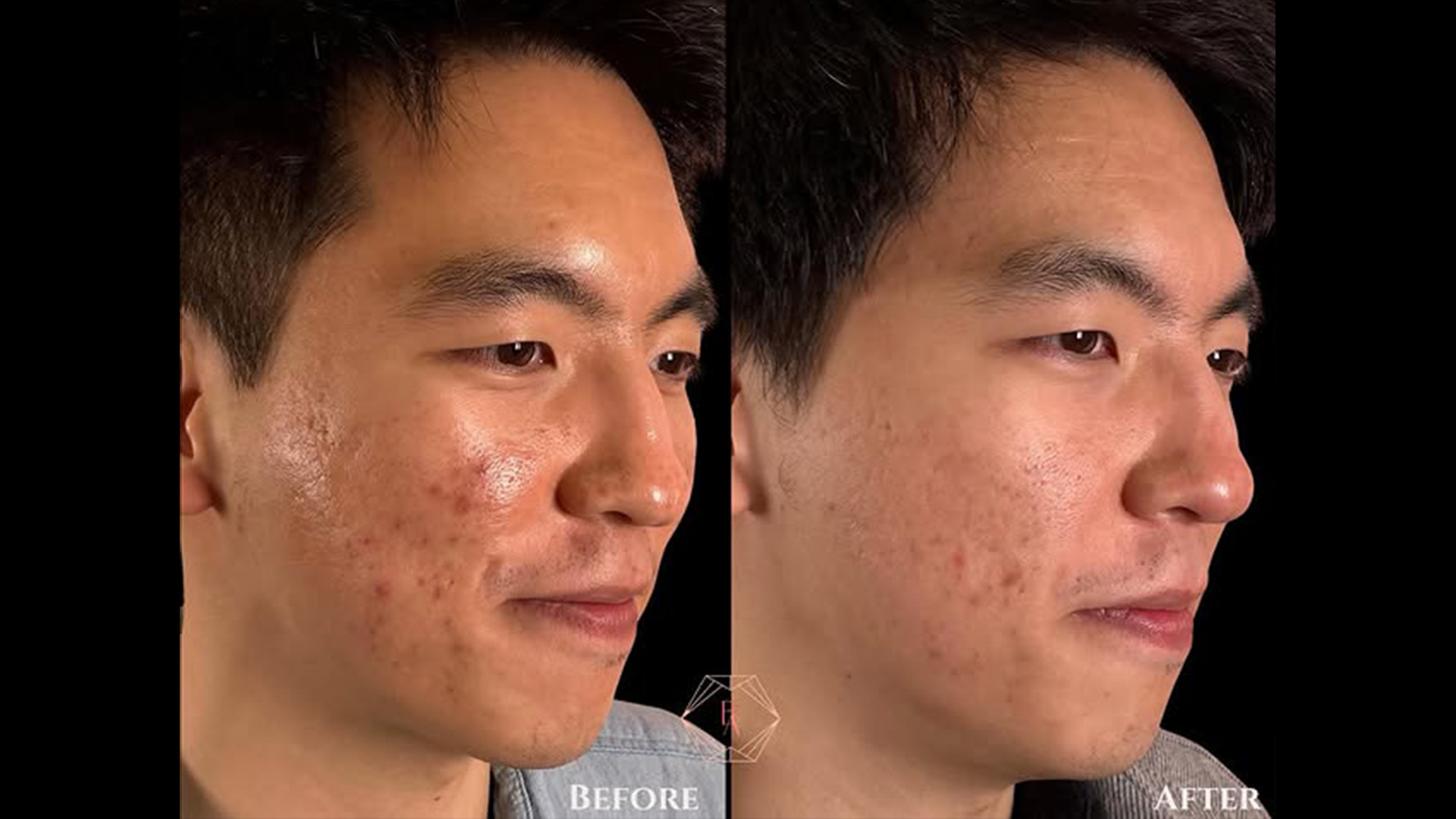
Not Everything Left Behind by Acne Is a Scar

One of the most common misconceptions we hear is patients referring to every mark left behind after a breakout as an “acne scar.” In reality, many of these spots are actually lingering pigment or redness that can improve significantly with the right treatment approach. True acne scars involve structural changes in the skin caused by collagen loss and often require a different strategy. Understanding whether you’re dealing with pigment, redness, scarring, or a combination of all three is one of the most important parts of building an effective treatment plan.

The Stage Most Acne Articles Forget: Dullness

Even after active acne, redness, and pigmentation improve, many patients still feel like their skin doesn’t look its best. The reason is often surprisingly simple. A buildup of dead skin cells can leave the skin looking dull, rough, and tired. The complexion may technically be clear, but it still lacks the smooth texture and healthy glow many patients are hoping to achieve. This is often the final stage of the acne journey.

Treatments such as Beam Moxi Polish help gently refresh the skin by encouraging the removal of dull, damaged surface cells while promoting a brighter, smoother appearance. Think of it as a non-chemical chemical peel that leaves skin looking refreshed without significant downtime.

BioRePeel can also be an excellent option for patients dealing with lingering dullness, pigmentation, texture concerns, acne scars, or active acne. Unlike traditional chemical peels that create visible peeling, BioRePeel promotes cellular turnover while helping improve overall skin quality. It can be used on both the face and body, making it a versatile option for patients struggling with concerns beyond facial acne. 

Where Are You in the Acne Journey? A Side-by-Side Look

Stage Treatment Approach Helps With
Active Acne Forever Clear BBL for Acne Breakouts, bacteria, excess oil
Redness BBL HEROic™ — redness & vascular settings Post-acne inflammation
Pigmentation BBL HEROic™ — pigment settings Dark marks (PIH), uneven tone
Acne Scars MOXI® + BBL HEROic™ Texture, collagen loss
Dullness Beam Moxi Polish or BioRePeel Dead-cell buildup, rough tone

Supporting Healthy Skin Between Treatments

Professional treatments are only one part of the equation. Maintaining healthy skin between appointments helps support long-term results and may reduce future acne flare-ups. For most acne-prone skin, we recommend focusing on the fundamentals:

PRODUCT SPOTLIGHT

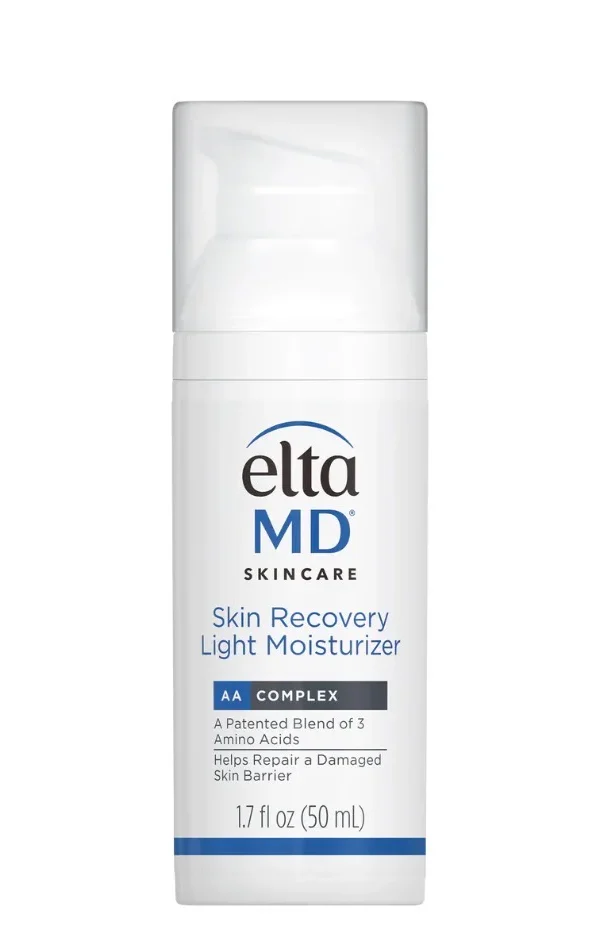
EltaMD Skin Recovery Light Moisturizer

A healthy skin barrier is better able to tolerate treatments and maintain overall skin health. This lightweight formula helps calm the skin, support barrier repair, and hydrate without feeling heavy or greasy.

SHOP SKINCARE →

Why Personalized Acne Treatment Matters

Acne isn’t a one-size-fits-all condition, and treatment shouldn’t be one-size-fits-all either. A patient struggling with active inflammatory acne has different needs than someone dealing with acne scars from years ago. Likewise, someone concerned about redness may need a very different approach than someone focused on pigmentation or texture. The most effective treatment plans evolve as the skin changes. By understanding where you are in the acne journey and what concerns are standing in the way of your skin goals, it’s possible to create a plan that addresses not only active acne, but also the redness, pigmentation, scars, and dullness that often follow.

Because long-term skin health isn’t just about treating breakouts.

It's about helping your skin recover, rebuild, and beam long after the acne is gone.

Jump to Section

About Beam

Beam Aesthetics was built on a passion for skin health and patient confidence. From restoring balance to enhancing natural beauty, our focus is helping you achieve your treatment goals with care and expertise.

Share Post

Build a Treatment Plan for Every Stage of Your Skin

Whether you’re managing active breakouts or addressing what acne left behind, schedule a consultation at Beam Aesthetics to find out where you are in the acne journey and the personalized plan that fits your skin, goals, and lifestyle.